
Estate Planning: A Brief Overview
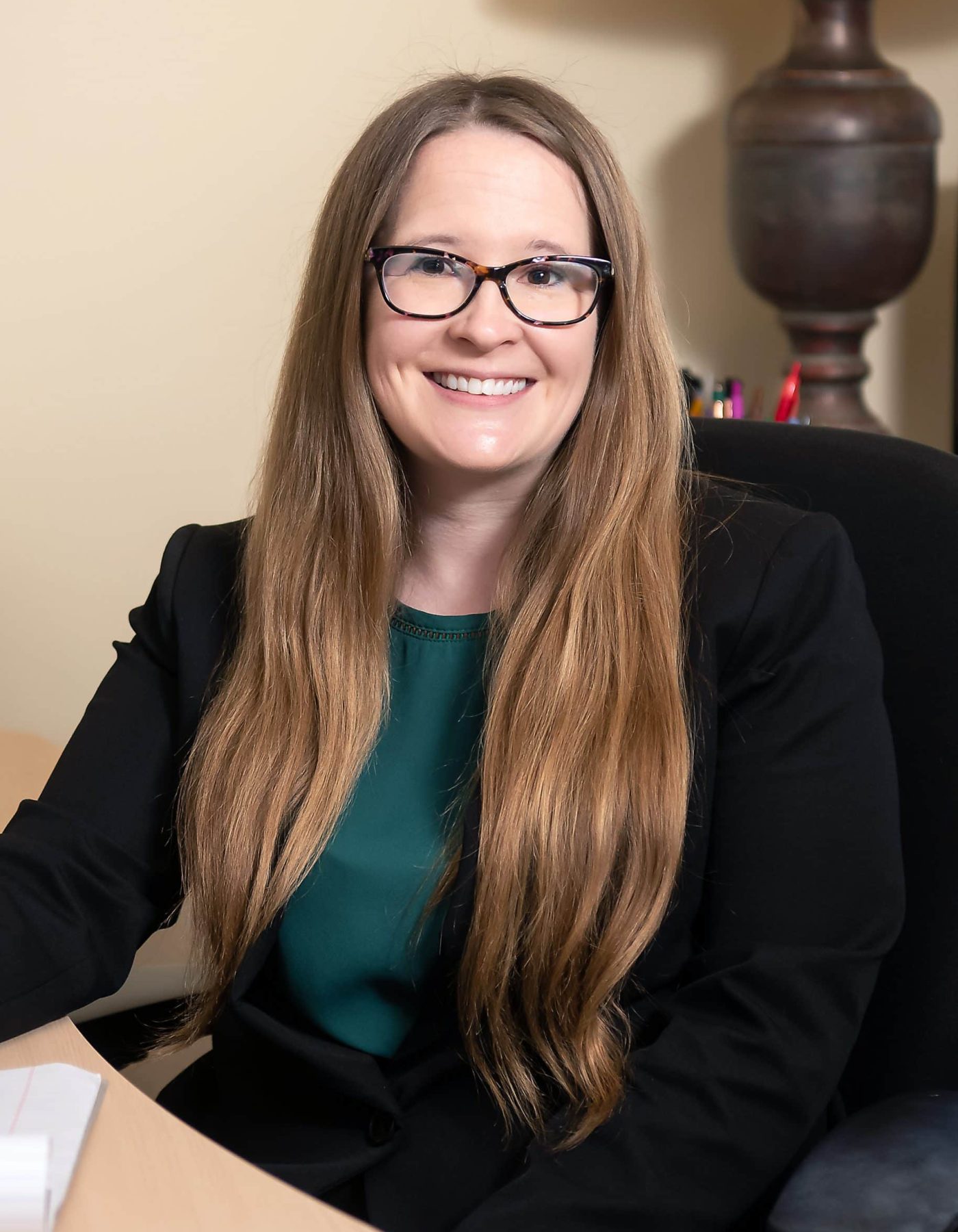
By Katherine Audet, Brennan & Rogers, PLLC
Estate planning is traditionally thought of as the process of determining what happens after death, but there is much more to estate planning than “What happens to my assets when I die?” It can also include lifetime planning for disability or incapacity, pre-crisis planning, and crisis planning.
Planning for After Death
One of the major components of estate planning is deciding on and prioritizing your goals. Common goals include avoiding probate, protecting assets, tax planning, and special needs planning. Choosing which goals are the most important can be challenging, and prioritizing goals often involves balancing the pros and cons of various strategies or waiting for more information to become available in the future. The types of estate planning documents or tools needed to create a comprehensive plan are primarily dependent on what the client is looking to accomplish. Common types are:
Wills- A Last Will and Testament is a document that directs assets held in the decedent’s sole name. Wills can be complex or simple, but regardless of their complexity, they must be probated through the appropriate court in order for the assets to pass to the intended recipients (also known as devisees). A will doesn’t offer any privacy, as it becomes a public record upon filing. Nevertheless, a will is much preferable to intestacy (dying without a will or other document that directs assets).
Trusts- A trust is a legal arrangement among three parties: the creator of the trust (Settlor), the legal owner of the trust assets (the Trustee), and the person or people entitled to distributions from the trust (the beneficiary). There are many different types of trusts, but all trusts fall into one of two general categories: revocable and irrevocable. Revocable trusts provide flexibility to the Settlor by allowing the Settlor to modify the document throughout their life as changes in their family structure, health, finances, and goals occur. Irrevocable trusts do not offer the same flexibility and are often employed in more complex asset protection or estate tax planning strategies. Although different types of trusts are used for different purposes, one of the most well-known benefits of a trust-based plan is the avoidance of probate. All assets that are transferred to the trust during the Settlor’s lifetime or after death by way of a beneficiary designation don’t pass through probate. Trusts are also private arrangements and can be more suitable in some situations than a will, the terms of which are public.
Joint Ownership - Assets owned jointly with rights of survivorship avoid probate because, upon the death of one owner, the other owner automatically becomes the sole owner of the asset. Joint ownership is not limited to spouses and can include more than two people. The provisions of a will or trust relative to property owned jointly will be irrelevant, as neither document would control; joint ownership takes precedence over any other estate planning document in place.
Beneficiary designations/Transfer on Death (TOD)/Payable on Death (POD)-Beneficiary designations allow the owner of an asset to name the person or people the asset passes to upon their death. These designations are commonly used for assets such as life insurance or Individual Retirement Accounts (IRAs) and serve as a valuable tool for probate avoidance.
Planning for When You Are Still Alive
Estate planning gives you the opportunity to designate who will make decisions for you if you are no longer able to do so on your own. If you were to become incapacitated, who would manage and pay your monthly bills or file your taxes? Who would be able to become your medical advocate and make essential care decisions if you were incapacitated and/or unable to communicate effectively? If you do not designate an agent to act in your stead, the court would have to appoint an appropriate person to serve in these roles, or, if no individual is willing to assume these responsibilities, the State of Maine Department of Health and Human Services can get involved in your care. These arrangements are known as Guardianships and Conservatorships, and the court proceeding can be a time-intensive and expensive process. It is much better to plan ahead and keep things easy and straightforward for your family. You can do so by putting in place two documents:
Durable Financial Power of Attorney-A financial power of attorney is a document that creates a principal-agent relationship between the parties. It gives the designated agent financial and legal powers; essentially, the agent acts as a substitute for the principal in all their financial and legal affairs. This is important as it gives the agent the ability to sign checks on the principal’s behalf, access accounts, or, in some circumstances, sell real property after the principal is unable to remain in their home safely.
Advance Health Care Directive- An advance health care directive allows the principal to designate a health care agent to make medical decisions on their behalf. It also contains provisions outlining wishes for end-of-life care (commonly referred to as a “living will”), provides preferences regarding organ donation, and details burial instructions.
Conclusion
As you can see, estate planning isn’t just about writing a will- it actually encompasses a wide range of critical decisions and a variety of legal and financial strategies. It is a comprehensive approach to making sure your wishes are respected and that you and your loved ones are protected. Effective estate planning helps safeguard both personal and financial interests while providing clarity and peace of mind. Key takeaways are:
Don’t procrastinate
Planning takes time
It’s a process
Once you put together a plan, be prepared to align your assets to work in harmony with the plan
Be prepared for things to change. Have a system in place to deal with these changes
Brennan & Rogers, PLLC
With locations in York, Kennebunk, and Portland
P. O. Box 467
York, Maine 03909
Phone: (207) 361-4680
Website: www.brennanrogers.com


Comments